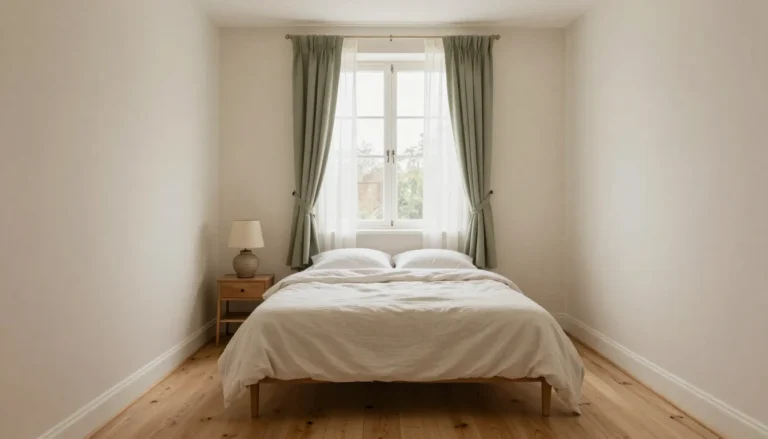
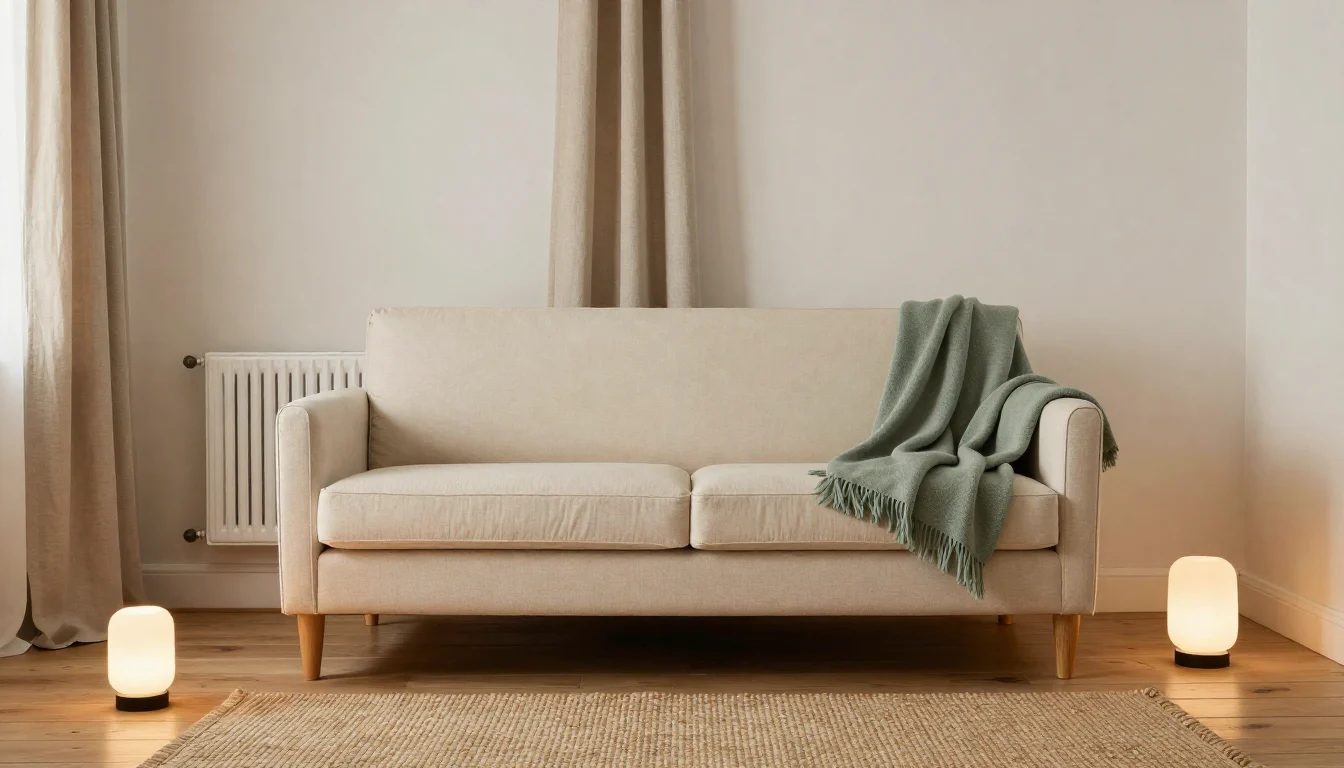
Cozy Winter Living Room Ideas on a Budget: Feel Warmer, Not Just Look It
Most cozy winter living room ideas on a budget start with throws and candles. Those help, but a room that looks warm and a room that feels warm aren’t always the same thing. If cold air is slipping past a window frame, or the radiator is hidden behind the sofa, no amount of chunky knit will fix the chill.
This guide puts real warmth first and decor second. Most of the ideas cost little or nothing, work in small rooms without a fireplace, and can be undone when you move out.
Where we mention energy figures, they come from the U.S. Department of Energy and state agencies, so you can check them yourself. Everything about color, texture and mood is offered as inspiration, not a rule.
Key takeaways
- Find your cold spots and heat sources before you buy anything. It’s free and tells you where to spend.
- Open curtains on sunny windows by day and close them at night to hold onto warmth.
- Renter-friendly draft fixes like door draft stoppers and removable plastic insulation film can make a noticeable difference, but always leave a way to ventilate.
- Keep sofas, long curtains and rugs clear of radiators, vents and baseboard heaters.
- Borrow throws, cushions, lamps and rugs from other rooms before buying new ones.
- If you only spend on one thing, put it toward window coverings or draft sealing rather than decor.
In this article
- Start With a Free Cold-Spot Check
- Use Curtains and Shades to Hold Heat at the Window
- Seal Drafts Without Losing Your Deposit
- Arrange Furniture Around Your Heat, Not Against It
- Shop Your Own Home for Soft Layers
- Use Warm Lighting and Create a Cozy Focal Point
- Thermostat, Fan and Space Heater Habits for a Warmer Room
- Where to Spend First When Money Is Tight
Start With a Free Cold-Spot Check
Before you add a single cushion, find out where the cold is actually coming from. On a chilly, breezy day, walk slowly around the room and hold the back of your hand near the places where air tends to sneak in.
At the same time, notice where your heat comes from: a radiator, a floor or wall vent, or a baseboard heater. Then note anything sitting in front of it, such as a sofa or a long curtain.
Jot down what you find in four quick lists: drafts, blocked heat sources, windows that get direct sun, and seats that sit against cold outside walls. You’ll fix the blocked heat sources and cold-wall seats in the furniture step. Together, those lists become your plan, and they keep you from spending money on decor when the real problem is a gap under the door.
- Window frames, sills and the edges of the glass
- The bottom of any exterior or hallway door
- Outlets and light switches on outside walls
- Where baseboards meet the floor along outside walls
- A fireplace opening, if you have one, even when the damper is closed
Use Curtains and Shades to Hold Heat at the Window
Windows are a big deal in winter. The U.S. Department of Energy (DOE) estimates that windows can account for about 30% of a home’s heating energy loss, so this is where small changes pay off.
Build a daily curtain routine. DOE suggests opening curtains and shades during the day to let sunlight warm the room, then closing them at night to trap heat. Its Energy Saver guide singles out south-facing windows for this. A note for readers elsewhere: in the Southern Hemisphere, the sunnier side is north-facing, so follow the sun rather than the compass label.
Add a layer. DOE also points to insulating drapes or shades as a way to cut heat loss. Plastic insulation film on the glass is covered in sealing drafts below, and the two combine well: film on the glass, a curtain or shade in front.
Consider cellular shades if you’re replacing coverings anyway. In an Oak Ridge National Laboratory study, cellular (honeycomb) shades saved more energy in winter than standard venetian blinds. That test was in a single house, so treat it as a useful direction rather than a guaranteed result. DOE describes insulating cellular shades as an affordable option, and Minnesota’s efficiency program refers to AERC-certified shades, which carry an energy performance rating; ask the retailer or check the product listing for it.
Safety note: If you buy new blinds or shades and have young children or pets, choose cordless designs and follow the manufacturer’s safety instructions.
- Thermal or lined curtains: easy to hang and easy to take with you, but bulky and not ideal over a radiator
- Cellular shades: neat and efficient, but usually a bigger purchase than a curtain and they need accurate measuring
Seal Drafts Without Losing Your Deposit
DOE’s Energy Saver guide describes air leaks as one of the biggest sources of energy loss in a home and says sealing them can save 10–20% on heating and cooling bills. With heating making up roughly 45% of average household energy costs, according to DOE, drafts are worth chasing.
The good news for renters is that many draft fixes are removable. Start with the leaks on your cold-spot list and work outward.
If you rent: Adhesive strips and film can leave marks or lift paint. Test in a hidden corner, check your lease, and keep at least one way to ventilate the room.
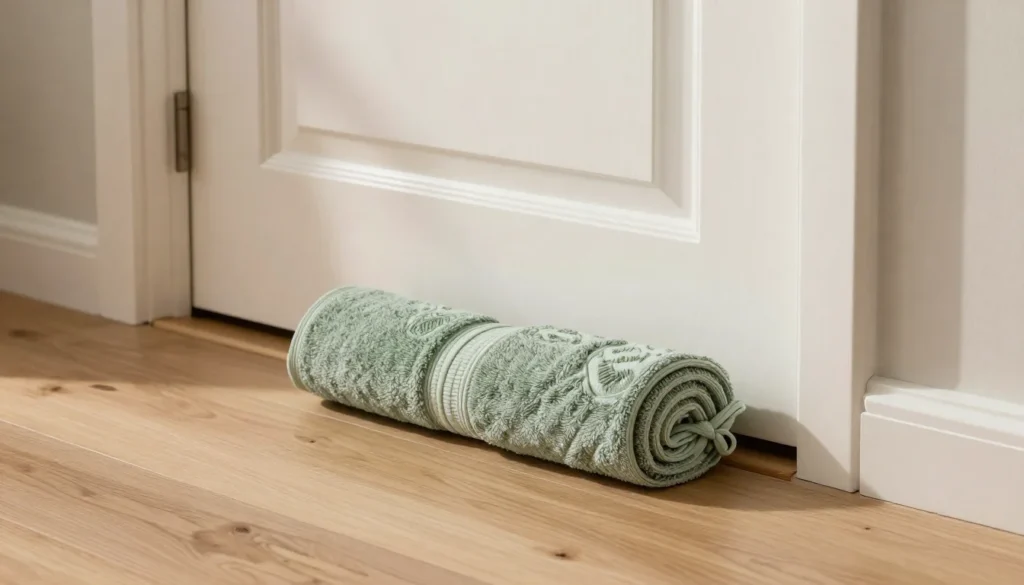
- Door draft stopper: a fabric tube along the bottom of a door. No tools, no adhesive, and you can make one from an old pair of leggings or a spare towel. Keep it snug against the door so it doesn’t become a trip hazard in a busy doorway.
- Removable weatherstripping: self-adhesive foam or rubber strips for window sashes and door frames. Peel-off types may be gentler on paint, but test first.
- Plastic window insulation kits: low cost and clear, but they can make a window awkward to open until removed. DOE lists clear plastic insulation film as a low-cost way to cut airflow, and the Illinois Commerce Commission suggests covering drafty windows from the inside with heavy plastic sealed tightly to the frame.
- Outlet and switch gaps on outside walls: ask your landlord before removing any cover plate, and never work on wiring yourself.
Arrange Furniture Around Your Heat, Not Against It
Rearranging is free, and in a small living room it can make a real difference to how warm you feel. DOE advises keeping registers, baseboard heaters and radiators clear of furniture, carpeting and drapes so warm air can circulate.
Pull seating off cold walls. If your sofa sits against an outside wall or under a drafty window, try moving it inward, even a little, or toward an inside wall. Grouping seats closer together around a coffee table can create a more sheltered, conversational feel. That’s a style idea rather than a rule, but it pairs well with keeping heat sources open. Keep a clear path from the door, and if TV viewing matters most to you, angle at least one seat toward the screen rather than having everyone sit side-on to it.
Solve the radiator-under-the-window problem. Floor-length curtains look cozy, but if they drape over a radiator, they can trap the heat behind them and against the cold glass. Options include sill-length curtains, curtains tucked behind the radiator, or a shade fitted inside the window frame so the radiator stays exposed.
Ask about radiator reflectors. DOE suggests heat-resistant radiator reflectors between exterior walls and radiators. If you rent, check with your landlord before fitting one, and use a product made for the purpose rather than a homemade substitute.
Mind the floor vents. A rug can make a cold floor far more pleasant, but keep it off and away from floor vents so the airflow isn’t blocked.
Shop Your Own Home for Soft Layers
Before buying anything soft, raid the rest of your home. The bedroom almost always has a spare blanket, and the hallway might have a runner you can bring in for the season.
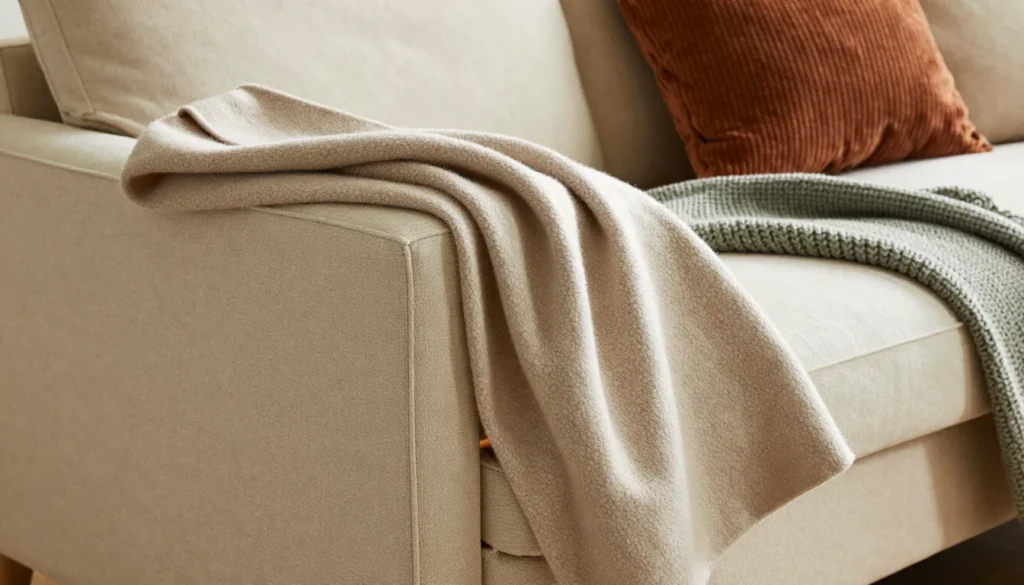
Texture is where a room starts to feel snug. For inspiration, try mixing a few materials rather than matching everything: a nubby wool throw, a velvet or corduroy cushion, a flannel or knit blanket folded over the sofa arm. Swapping in heavier cushion covers is usually cheaper than buying new cushions, and the summer covers store flat.
A rug on a bare floor makes a room feel warmer underfoot, especially where you rest your feet. In small spaces, one rug that fits the seating area often works better than several layered ones, which can bunch up and become a trip hazard. A non-slip rug pad suited to your floor type helps keep edges flat.
- Bedroom: spare blankets, a small rug, a bedside lamp (see lighting below)
- Closets: throws and seasonal cushion covers
- Hallway or entry: a runner or basket for blankets
- Kitchen or dining: a lidded basket or wooden tray for corralling throws and remotes
Use Warm Lighting and Create a Cozy Focal Point
Lighting does a lot for mood on long winter evenings. As inspiration, many people find several low lamps placed around the room feel more relaxing than a single bright overhead light. Choose bulbs whose light looks soft and warm to you, and stay within the maximum bulb rating marked on each lamp.
If you use string lights indoors, check that the packaging says they’re suitable for indoor use and follow the manufacturer’s instructions.
If you have a fireplace: the Illinois Commerce Commission, citing DOE, advises keeping the damper closed unless a fire is burning. Make sure the damper is fully open before you light a fire, and don’t close it until the fire is completely out. Follow your chimney professional’s or landlord’s guidance. When you do light a fire, close off the room if you can, open a nearby window slightly, and lower the thermostat. If you aren’t sure of the chimney’s condition or haven’t used it in a while, ask your landlord or a qualified chimney professional before lighting it.
If you don’t: most small living rooms don’t have a mantel, and that’s fine. Give the eye somewhere to rest instead. A cluster of lamps at different heights, a low shelf of books with a folded throw, a vase of winter branches, or a tray of flameless candles can all create that gathering point.
Safety note: Candles add mood, not heat. Flameless candles are the simpler choice near curtains and throws; if you use real ones, follow the label and your local fire-safety guidance.
Thermostat, Fan and Space Heater Habits for a Warmer Room
Cozy also means comfortable without a shocking bill. The Illinois Commerce Commission notes that DOE recommends 68°F (20°C) while you’re awake and at home, and lower when you’re asleep or out.
According to New Hampshire’s Department of Environmental Services, citing DOE, setting the thermostat back 7–10°F (roughly 4–6°C) for eight hours a day can save as much as 10% a year on heating. The reason is simple: a cooler home loses heat more slowly. If you have a heat pump, check your system’s manual or your installer’s advice before using big setbacks.
This is where the soft layers earn their keep. A throw and warm socks make a slightly cooler room feel perfectly comfortable.
Ceiling fan? The Illinois guidance suggests reversing the fan’s direction in winter to circulate warm air. Which direction counts as “reverse” varies by model, so check your fan’s manual.
Space heaters: if you add a portable heater, follow its manufacturer’s instructions exactly on placement, clearance and how to plug it in, and never treat it as a substitute for fixing drafts.
Heated throws: if you’re tempted by a heated throw or electric blanket for the sofa, read and follow the manufacturer’s instructions on use, care and inspection before the first use, and check it again each season.
Where to Spend First When Money Is Tight
When the budget is tight, it makes sense to tackle windows and drafts before decor, because those are where DOE says heat escapes. A new throw makes the room look warm; stopping cold air makes it feel warm.
Here’s a sensible order that keeps costs low and builds from free to paid.
- Free: do the cold-spot check, start the curtain routine, rearrange seating (see the furniture section above), and borrow soft layers from other rooms
- Low cost: a door draft stopper, removable weatherstripping, and plastic insulation film on the worst window
- Worth saving for: lined or insulating curtains, or cellular shades with an AERC rating if you’re replacing coverings anyway
- Last: new decorative pieces, once the room is actually holding its warmth
Frequently asked questions
Do thermal curtains really make a living room warmer?
DOE recommends insulating drapes and shades, and closing them at night to trap heat. How much they help depends on your windows and how well the curtains fit. Be wary of exact savings percentages in product marketing; check whether a figure comes from an independent or government source.
Is plastic insulation film OK for renters?
Most plastic insulation film kits are designed to be removed, but adhesive can still mark frames or lift paint. Test a small hidden area first, check your lease, and remove it carefully at the end of the season.
Can I hang curtains over a radiator?
It’s best to keep radiators uncovered; see the furniture section above for why. If your radiator sits under a window, try sill-length curtains, tuck curtains behind the radiator, or use a shade fitted inside the window frame.
How do I make a living room feel cozy without a fireplace?
Create a focal point with a cluster of lamps, a low shelf with books and a folded throw, winter branches, or a tray of flameless candles. Pair it with warm textures and seating pulled away from cold walls.
Is it possible to seal a room too well?
Yes. DOE reminds people to ensure proper ventilation when sealing or insulating. Never block vents or air supplies, and keep at least one window you can open to air the room. Watch for condensation on glass or walls after sealing and air the room regularly. If your home has gas, oil or wood-burning appliances, ask your landlord or a qualified professional before sealing around them.
The best cozy winter living room ideas on a budget start with the room itself. Find where the cold gets in, let your heat sources breathe, and use your windows wisely before you think about new decor.
Then layer on the comfort: borrowed throws, heavier cushion covers, a rug where your feet land, and lamps that glow in the evening. Most of it costs little, much of it can move with you, and the result is a living room that feels as warm as it looks.
Sources
- www.energy.gov — Windows can account for about 30% of heating energy loss; open coverings by day and close them at night.
- www.energy.gov — Heating is roughly 45% of household energy costs; clear plastic insulation film, weatherstripping, insulating drapes; ventilation reminder.
- www.energy.gov — Air leaks as a major source of energy loss; sealing saves 10–20%; keep heaters unblocked; radiator reflectors; south-facing drapes routine.
- www.ornl.gov — Cellular shades saved more winter energy than venetian blinds in a single-house test.
- www.energy.gov — Insulating cellular shades as affordable options; AERC-certified energy-rated shades.
- www.des.nh.gov — Thermostat setback of 7–10°F for eight hours a day can save up to 10% a year on heating; cooler homes lose heat more slowly.
- www.illinois.gov — Plastic sheeting on drafty windows; 68°F recommendation; fireplace damper habits; reversing ceiling fan direction.
Illustrations in this article are concept renderings, not photographs of real homes or projects. This article was checked against the sources listed above and our editorial policy.